Velvet, Laminate or Stone: What a Surface Changes in a Casino-Inspired Display
Compare velvet, laminate, and stone for a casino-inspired display, then choose a surface that suits its mood, handling needs, cleaning routine, and objects.
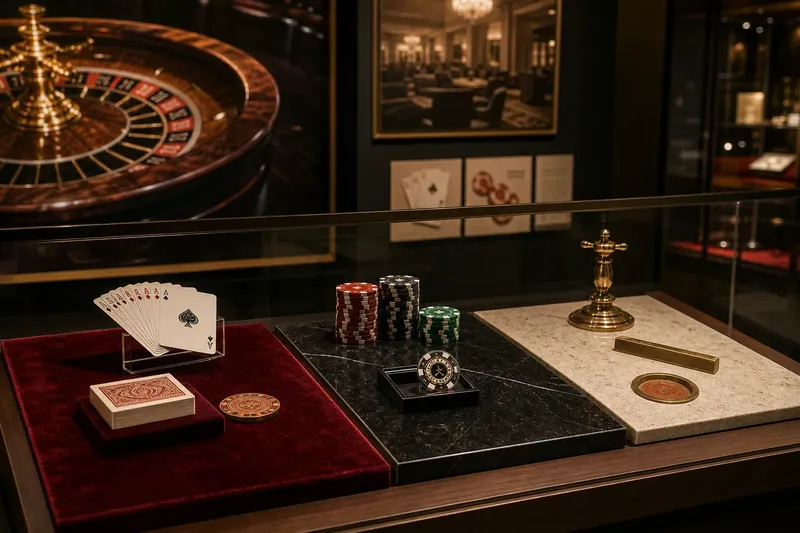
A roulette motif can feel like a lounge scene on velvet and like a showroom label on glossy laminate. For a casino-inspired display, the choice between velvet, laminate, and stone changes how objects read, how visitors approach them, and what upkeep the surface needs.
At a university such as Đại học Duy Tân, a display might bring together playing cards, a roulette-wheel motif, or props inspired by casino interiors. The surface does not need to imitate a gaming table. It should give the objects a clear setting without competing with them or creating avoidable maintenance work.
What mood does each display surface create?
Velvet absorbs light and introduces a soft, tactile impression. A narrow panel or removable pad can suggest upholstered seating without making the whole case feel theatrical. A broad field of dark velvet, though, can dominate small objects and collect visible lint.
Laminate gives a display a more orderly, composed look. Matte finishes tend to keep reflections quieter, while glossy ones can sharpen the presentation but draw attention to glare and fingerprints. Stone reads as solid and formal, with a cool visual character that can suit metal or glass objects.
Choose the mood after deciding what should lead the display: the objects, the surface, or the casino reference. If a card deck is the focus, a quiet background may help. If the exhibit evokes a lounge interior, a velvet accent can suggest that setting without turning the case into a stage set.
How can you keep objects steady and easy to read?
Polished laminate and stone can let light objects shift when a case is opened or an arrangement is adjusted. Velvet may provide more grip, but its pile can tilt small pieces. Before adding decoration, check whether each item sits flat and remains legible from the visitor’s viewing position.
Use a fitted mount or clear support for paper pieces such as cards and tickets. A shallow recess or discreet object support can help with rounded chips and tokens. Keep supports visually quiet, and make sure they do not press on delicate objects.
Imagine a student exhibit with a stack of replica chips on a glossy laminate shelf. The top chip slides out of alignment when staff open the case. The curator first checks that the shelf is level, then places the stack in a low-profile tray with a matte lining and tests whether the pieces stay aligned during ordinary case access. If they do, the tray also lifts out for cleaning; if the chips still move, a fitted support is a more useful next adjustment than adding more padding across the shelf.
How should you care for velvet, laminate, and stone?
Each surface reveals different signs of use. Velvet can show lint or changes in pile direction. Laminate may reveal smears, scratches, or lifted edges. Stone can show dust and marks that vary with its composition and finish.
Match cleaning to the material and its manufacturer’s guidance. A soft brush or fabric-care attachment may suit velvet if the maker permits it. Use a soft cloth and a cleaner labeled for the laminate finish. For stone, choose a product appropriate to that stone and finish; an unsuitable cleaner can mark or affect the surface.
Avoid circular scrubbing on velvet and abrasive pads on glossy panels. These can make a small mark more conspicuous. If the surface is delicate or an object is valuable, ask a conservator or qualified maintenance professional before using a new product.
Which surface fits your display?
- Velvet: Check whether the display needs a soft, low-glare accent. If it does, use velvet on a backing panel or removable pad; if frequent handling or lint is a concern, choose a smoother surface instead.
- Laminate: Check whether straightforward wiping and a composed background matter most. If so, select a finish that limits distracting reflections; if glare or visible smears would compete with the objects, avoid a glossy finish.
- Stone: Check whether a visually grounded, formal setting suits the objects. If it does, confirm the care guidance for that stone and finish; if the required upkeep is unclear, use a simpler material until you can verify it.
- Object supports: Check whether lightweight or rounded pieces shift during normal access. If they do, add a fitted mount, shallow recess, or tray; if they remain stable, keep the surface uncluttered.
- Lighting: Check the display from a visitor’s usual viewing position. If reflections obscure the objects, adjust the light or choose a less reflective finish; if the objects remain clear, leave the surface choice alone.
- Cleaning access: Check whether staff can lift or reach each surface without moving delicate objects by hand. If access is awkward, use a removable pad or tray; if access is already simple, avoid adding hardware that complicates routine care.
What questions come up when choosing a display surface?
Does velvet make a display look more luxurious?
Velvet can suggest plush seating or a formal interior, especially as a restrained accent. Its color, pile, lighting, and coverage determine whether the effect feels refined or overly heavy.
Is laminate too casual for casino-inspired objects?
No. A suitable matte laminate can provide a neat, neutral setting that lets cards, tokens, or signage stand out. A glossy or visibly worn panel may instead pull attention toward glare or smears.
Does stone always feel formal?
Stone often looks substantial and cool, but its finish and neighboring materials affect the impression. Warm-toned objects and softer lighting can make it feel less severe than a polished slab under direct light.
Which surface is easiest to keep presentable?
The answer depends on the marks visitors notice and the handling the display receives. Laminate is generally simple to wipe, velvet needs attention to lint and pile, and stone calls for care suited to its composition and finish.
What is not worth the effort?
Do not add a complicated surface treatment to compensate for crowding or poor lighting. Remove an unnecessary object, improve the spacing, and check the view from where visitors stand before buying a special cleaner or extra decorative layer.
For a casino-inspired display, compare small removable samples beside the actual objects under the case lighting. That check can show whether velvet, laminate, or stone belongs in the foreground or should remain an accent—and whether the upkeep fits the people responsible for the display.